
- Industry
- Mining
- Setup
- 2 fuel farms, 3 lube bays, camp generators and fuel trailers
- Fluids
- Diesel, Hydraulic oil, Engine oil, Coolant
The situation
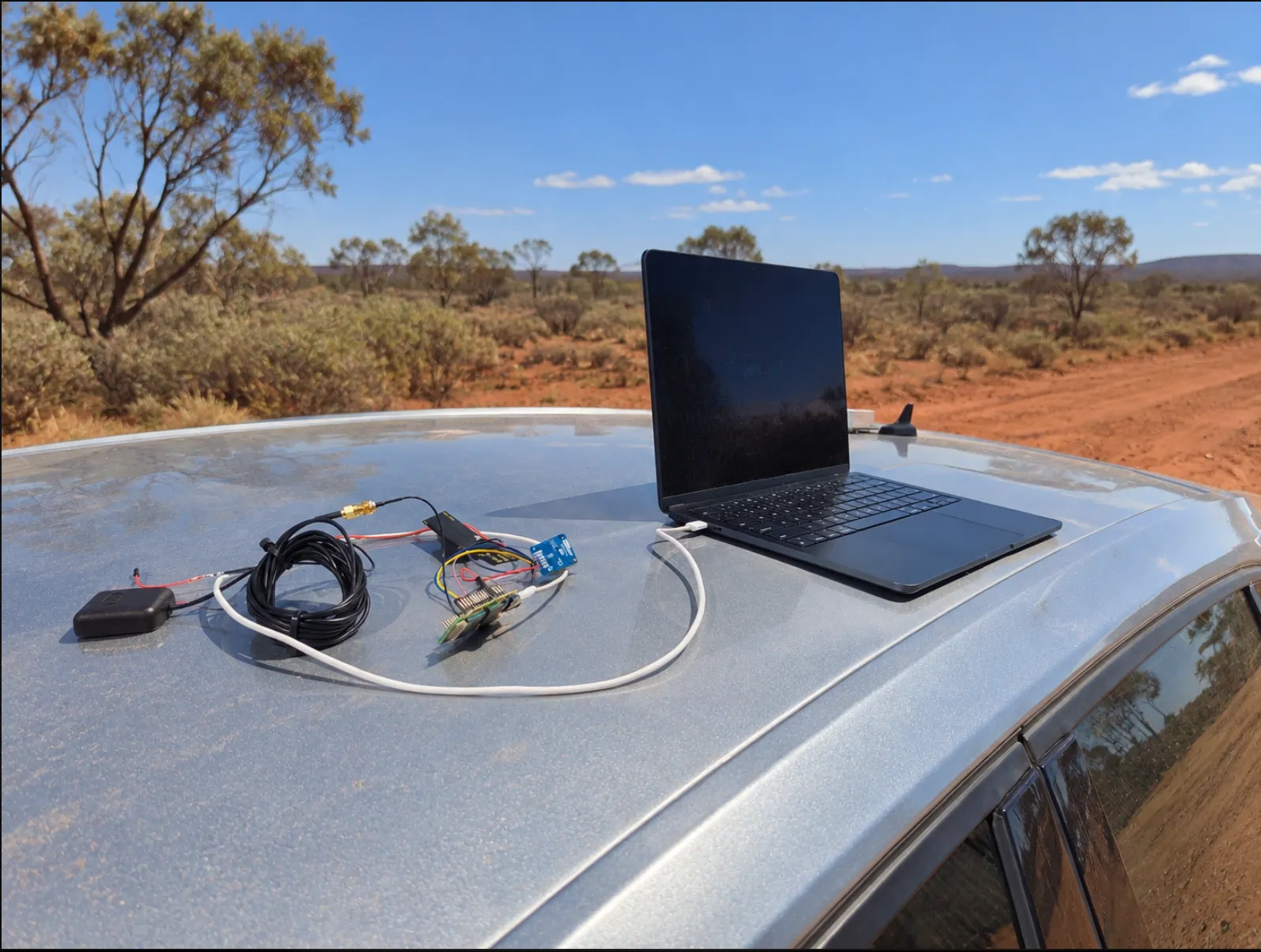
A mine several hours from the nearest town runs two bulk diesel fuel farms, three lube bays, diesel generators at the camp and a handful of fuel trailers that move around the lease. Parts of the site have no mobile coverage.
Levels are dipped by hand, which means a drive to the far end of a haul road just to read a tank. The fuel supplier relies on phone calls and emails from site to plan deliveries that take a day to arrive.
How GAT is set up
- Units on each fuel farm tank, lube bay tank and camp generator tank. Each is self-contained and battery powered, so nothing is connected to site power, Wi-Fi or IT.
- 4G where it exists and satellite where it does not. Each unit chooses on its own, so tanks in the dead spots report like the rest.
- Fuel trailers report level and GPS location, so the site knows where each trailer is and what it holds.
- Reports split by area. The maintenance team receives the lube bays, the site services team receives the camp, and the fuel supplier receives the fuel farms it keeps full.
What changes day to day
Nobody drives out to dip a tank to find out what is in it. The supplier plans long-haul deliveries from the daily report, with days of notice instead of hours.
Is this you?
See how mining tank monitoring works, or book a tank assessment.