
- Industry
- Fuel and lubricant supply
- Setup
- 30 workshops, about 120 tanks and IBCs
- Fluids
- Engine oil, Gear oil, Transmission fluid, Coolant, Waste oil
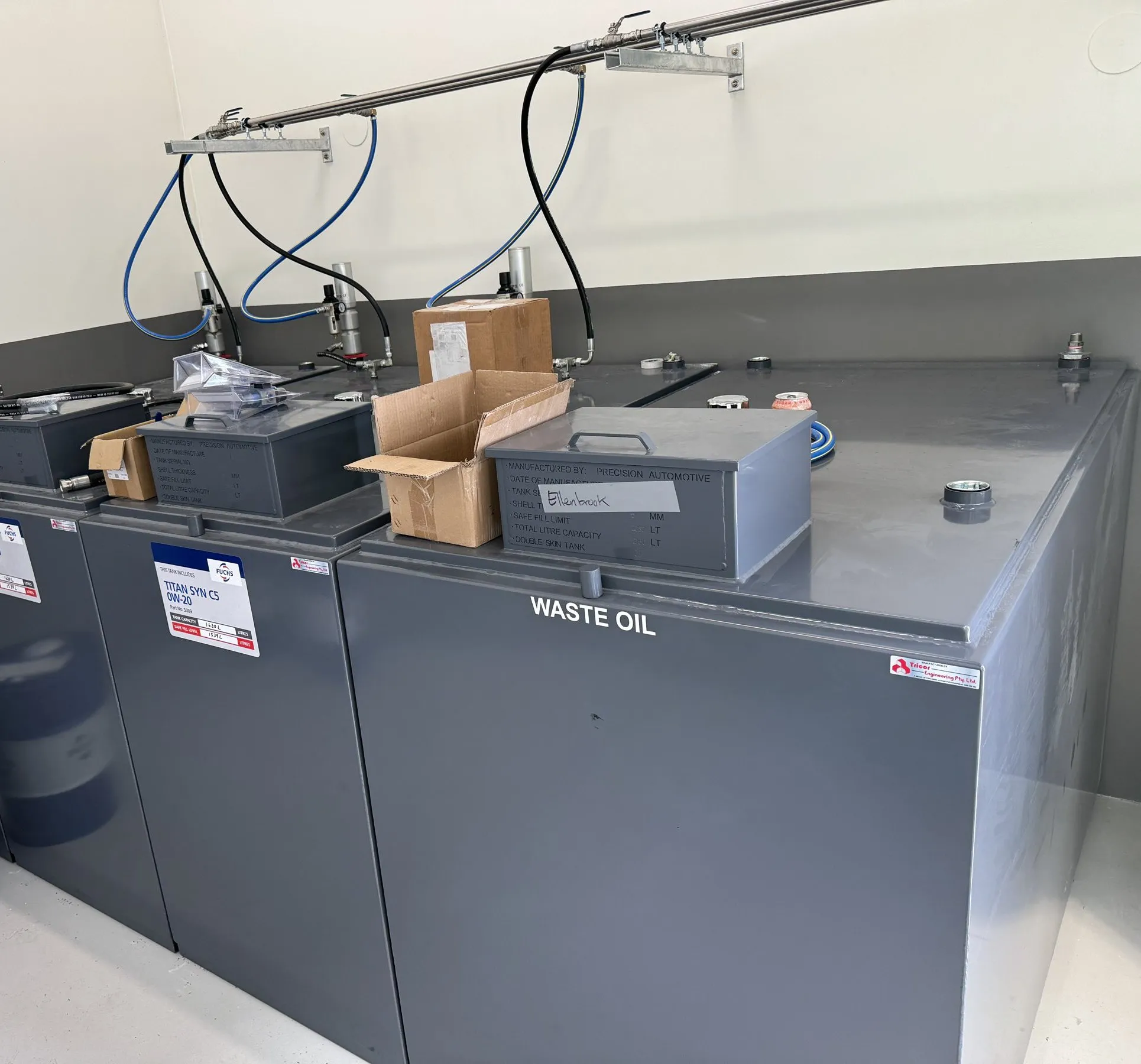
The situation
A regional lubricant distributor keeps around 30 dealerships and fleet workshops stocked with engine oil, gear oil, transmission fluid and coolant. Most workshops have three to five bulk tanks or IBCs, plus a waste oil tank.
Levels are checked when a workshop rings in, or when a driver happens to be on site. Some grades run low before anyone notices, while drivers carry product to workshops that turn out not to need it. Waste oil collections are booked on a guess.
How GAT is set up
- One unit on every tank and IBC, fitted through an existing opening in 5 to 10 minutes, with no power or cabling at the workshop.
- One supplier report each morning showing every customer tank, grouped by workshop, with litres remaining, safe fill level and percentage full.
- A separate report for each workshop, showing only its own tanks and carrying the distributor’s branding.
- Waste oil tanks on the same report, so collections can be booked on the level.
What changes day to day
The distributor’s team starts each day knowing which workshops need which grades, and builds the delivery run around them. Workshops stop dipping tanks between jobs, and see the distributor’s name on a useful report every morning.
Is this you?
If you supply lubricants or fuel to customer sites, see how lubricant tank monitoring works or book a tank assessment.