
How to Monitor Fuel and Lubricant Tanks Across Multiple Customer Locations
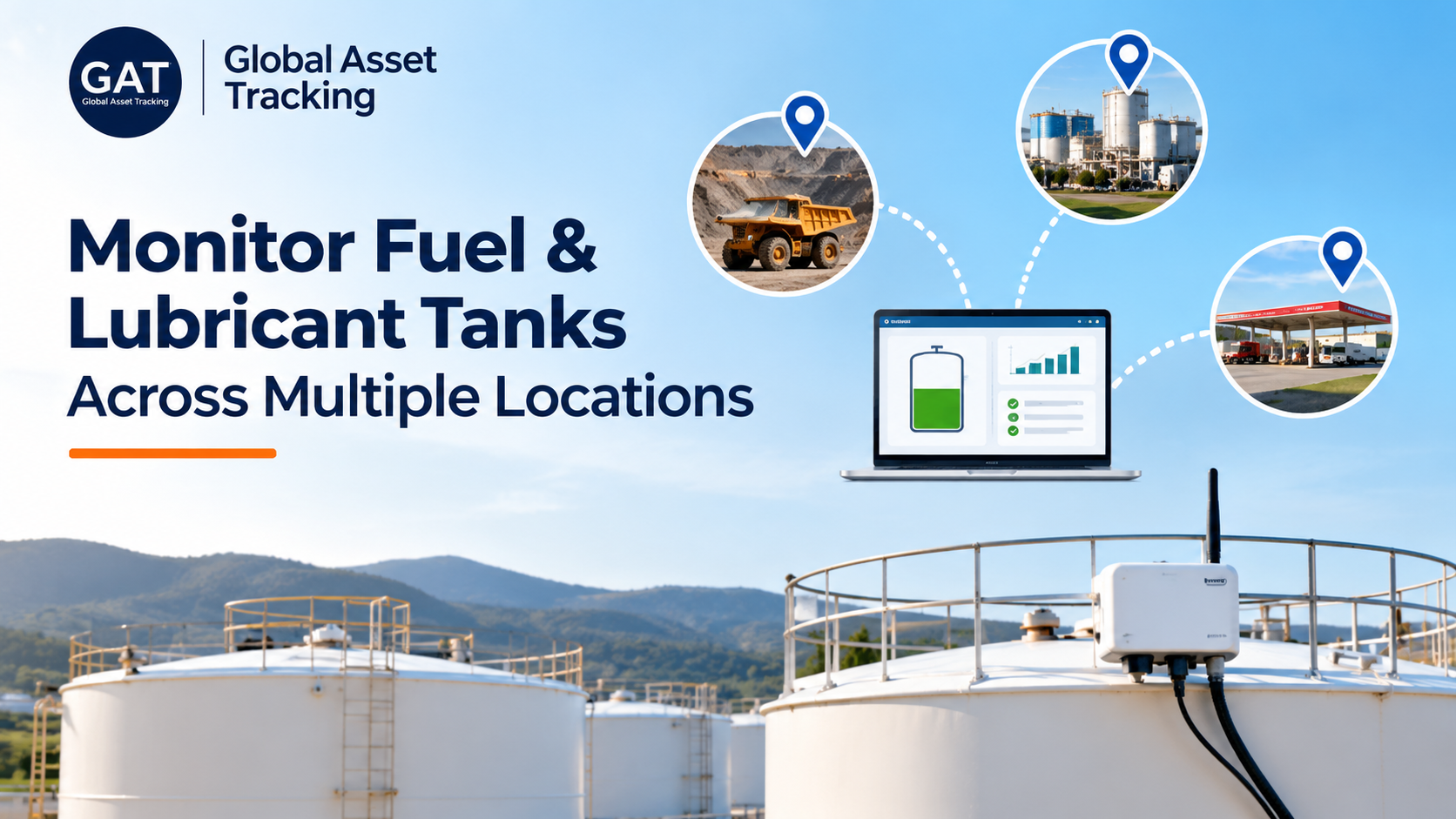
Remote tank monitoring helps fuel and lubricant suppliers track inventory across multiple customer locations without relying entirely on manual checks. Better visibility supports timely replenishment, fewer emergency deliveries, more efficient delivery planning and improved customer service.
Managing fuel and lubricant supplies becomes more complicated when tanks are spread across different customer locations. A distributor may look after diesel tanks at farms, bulk lubricant storage at workshops and fuel supplies at industrial facilities. Each customer has different consumption patterns, storage requirements and delivery schedules.
Without reliable inventory information, teams often depend on phone calls, manual tank checks and fixed delivery routines. This can make it difficult to know which customers need a refill and which tanks still have enough stock.
Remote tank monitoring offers a more organised way to manage distributed storage. It gives suppliers better visibility into tank levels, helps them plan deliveries using actual inventory information and makes it easier to keep customers informed.
Why Monitoring Tanks Across Multiple Customer Sites Is Difficult
When a business manages tanks at several customer locations, the challenge is not simply checking how much liquid remains. It is keeping track of different products, tank capacities, locations and delivery requirements at the same time.
For example, one customer may use diesel regularly throughout the day, while another may consume engine oil or hydraulic lubricant at a much slower rate. A fixed delivery schedule may not suit both customers.
Common challenges include:
- Limited inventory visibility: Staff may not know the current stock level at every customer site.
- Unexpected shortages: A tank can run low between scheduled inspections or deliveries.
- Unnecessary delivery trips: Suppliers may send vehicles to sites that still have sufficient stock.
- Manual coordination: Teams spend time calling customers and arranging physical tank checks.
- Disconnected records: Information about products, locations and usage may be spread across spreadsheets and separate records.
These problems can affect delivery efficiency, operating costs and the quality of customer service.
How Remote Tank Monitoring Works
Remote tank monitoring uses a sensor and connected monitoring unit to collect information about the liquid stored in a tank. The information is then transmitted to a reporting platform, allowing authorised users to check tank levels without visiting each location.
For a fuel or lubricant distributor, this creates a more consistent way to review inventory across a customer network.
Depending on the monitoring setup, useful information can include:
- The product stored in each tank.
- Estimated litres remaining.
- Safe fill level.
- Percentage of tank capacity currently filled.
- Time of the latest reading.
- GPS location for supported mobile tanks.
Having this information available makes it easier for supply teams to understand customer requirements and decide where attention is needed.
5 Ways Remote Tank Monitoring Improves Multi-Site Operations
1. Improve Inventory Visibility Across Customer Locations
When customers have tanks at different sites, suppliers need a clear picture of available stock. Checking each location separately can take time and may leave teams working with outdated information.
Remote tank monitoring brings readings from monitored tanks into a more organised reporting process. Instead of relying entirely on customer updates, suppliers can review available tank-level information and identify locations that may need replenishment.
This is especially useful for distributors managing fuel, engine oil, gear oil, hydraulic fluid and other bulk liquids across several customers.
GAT Solutions provides daily reports showing product information, litres remaining, safe fill level, percentage full and the latest update time. Reports can be organised according to the tanks and locations each recipient is responsible for.
2. Reduce Emergency Deliveries and Prevent Stockouts
A low fuel or lubricant supply can interrupt a customer’s daily activities. Vehicles may not be refuelled on time, workshop equipment may be affected and production work can face avoidable delays.
Remote tank monitoring helps reduce this risk by giving suppliers better visibility before stock reaches a critical level.
When teams review tank readings regularly, they can identify customers who may need an earlier delivery. They can then consider remaining stock, expected usage and delivery lead times when deciding what to prioritise.
This does not remove the need for proper inventory planning, but it gives teams more useful information than waiting for a customer to report an empty or nearly empty tank.
3. Plan Delivery Routes More Efficiently
Delivery planning becomes difficult when several customers need different products at different times. Sending a truck to every customer on a fixed schedule may result in unnecessary trips, while waiting for a phone call can lead to urgent deliveries.
With remote tank-level information, dispatch teams can review which locations require attention and plan deliveries accordingly.
For example, a distributor serving workshops and industrial facilities may find that some customers have sufficient oil stocks while others are approaching their replenishment requirements. The team can use this information to prioritise suitable deliveries and coordinate nearby locations where practical.
Better visibility can help reduce wasted runs, improve vehicle utilisation and make delivery schedules more predictable.
4. Improve Customer Service and Communication
Customers want to know that essential supplies will be available when they need them. They also want a clear understanding of their own stock levels without having to contact the supplier every time.
A structured reporting system can make communication easier by providing each customer with information about their own tanks.
GAT’s reporting approach allows a supplier to see the tanks across its customer network, while each customer receives a separate report showing only their own monitored tanks. Reports can also carry the supplier’s branding or the customer’s branding.
This gives customers better visibility without exposing information belonging to other businesses.
5. Reduce Administrative Work and Operating Costs
Manual inventory checks require coordination between drivers, customer contacts, operations teams and delivery planners. The more locations a distributor manages, the more time-consuming this process can become.
Remote monitoring helps reduce the need to arrange site visits simply to check available stock. Teams can use reported readings to decide which locations need further attention.
Fewer unnecessary inspections and better-planned deliveries can help reduce avoidable operating costs. Staff can also spend less time collecting basic inventory updates and more time managing supply requirements.
The actual savings will depend on the number of tanks, delivery distances, consumption patterns and the way the business uses its monitoring information.
What to Consider When Setting Up Multi-Site Tank Monitoring
A successful monitoring setup starts with understanding the tanks and customer locations involved.
Create a Tank and Customer Register
Record each customer’s name, site location, tank identification, product type and storage capacity. This helps prevent confusion when reviewing reports.
Consider Communication Coverage
Customer tanks may be located in towns, regional areas or remote facilities. Check which communication options are suitable for each location.
Set Clear Reporting Arrangements
Decide who should receive tank information and which locations each recipient is responsible for.
Review Consumption Patterns
Historical tank readings can help teams understand how quickly different products are used and support better replenishment decisions.
Include Mobile Storage Assets
Where tanks or containers move between locations, consider whether GPS location reporting would help identify their position.
These steps help create a monitoring process that reflects the way the business actually supplies its customers.
Monitor Customer Tanks Worldwide With GAT Solutions
Fuel and lubricant suppliers need reliable information to manage customer storage across multiple locations. Remote tank monitoring can provide that visibility and support better inventory management, delivery planning and customer communication.
GAT Solutions provides remote tank level monitoring for fuel and lubricant suppliers, distributors and operators. Its monitoring units automatically select 4G where mobile coverage is available and satellite where it is not. This supports monitoring across locations with different network conditions.
The reporting platform provides daily tank information, with reporting arrangements that can be organised for individual customers, sites, divisions or contractors. GAT also supports fixed and mobile storage assets, including applications where both fluid level and GPS location are useful.
Whether your business supplies diesel to remote properties or lubricants to workshops and industrial customers, better tank visibility can help you make more informed supply decisions.
Visit GAT Solutions to explore its remote tank monitoring services, learn about 4G and satellite coverage, or contact GAT Solutions to discuss your operation.