
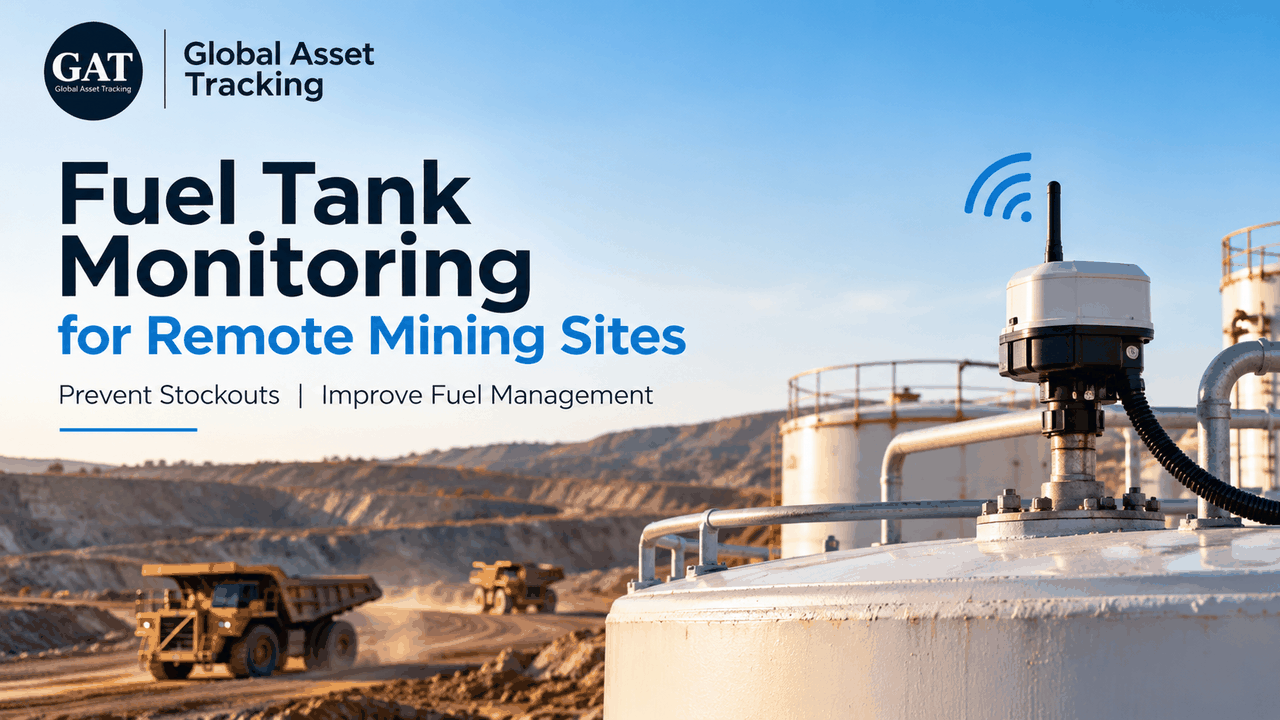
Fuel Tank Monitoring for Remote Mining Sites: Prevent Stockouts and Improve Fuel Management
Remote fuel tank monitoring helps mining companies maintain better visibility over fuel inventory at isolated sites. Discover how monitoring technology can reduce stockout risks, improve delivery planning, strengthen inventory control and support more efficient mining operations worldwide.
Fuel is one of the most important resources in mining operations. Excavators, haul trucks, drilling equipment, generators and other heavy machinery depend on a consistent fuel supply to keep work moving. When fuel runs low at a remote mining site, the consequences can extend far beyond an empty tank. Equipment may sit idle, production schedules can fall behind, and emergency deliveries can increase operating costs.
Managing fuel in isolated locations is particularly challenging. Long transport distances, changing weather conditions, limited site access and fluctuating fuel demand make it difficult to maintain the right inventory. Traditional manual tank inspections may not provide the timely information needed to respond to these challenges.
Fuel tank monitoring offers a more practical approach. By providing visibility into fuel levels and inventory changes, remote monitoring helps mining operators make informed decisions, plan replenishment and reduce the risk of unexpected stockouts.
Why Fuel Management Is Difficult at Remote Mining Sites
Mining operations often take place far from major towns, fuel depots and transport infrastructure. A delivery that might be straightforward at an urban facility can become a complex logistical task at a remote mine.
Several factors make fuel management more demanding.
Long replenishment lead times: Fuel suppliers may need to travel considerable distances to reach a mining site. If a low tank level is discovered too late, the next delivery may not arrive before the available stock is exhausted.
Unpredictable fuel consumption: Fuel usage changes according to production schedules, equipment workloads, operating hours and site conditions. A tank that normally lasts several days may empty much faster during periods of increased activity.
Limited visibility: When storage tanks are spread across different locations, managers may not have an accurate picture of total fuel inventory. Relying on separate inspection records can make it difficult to understand current stock levels.
Harsh operating environments: Dust, extreme temperatures, heavy rainfall and difficult terrain can make routine inspections time-consuming. Site personnel may also need to travel considerable distances simply to check storage tanks.
These challenges highlight the importance of having reliable and timely information about fuel inventory.
What Is Remote Fuel Tank Monitoring?
Remote fuel tank monitoring uses sensors and connected technology to measure the amount of fuel stored in tanks and communicate that information to a central monitoring platform.
Instead of depending entirely on manual inspections, authorised personnel can access tank-level information remotely. Depending on the monitoring system and installation, data may be transmitted through available cellular, satellite or other communication networks.
The information can help operators understand:
- Current fuel levels in individual tanks.
- Changes in stored fuel over time.
- Which tanks may require replenishment.
- Unusual inventory changes that need investigation.
- Fuel availability across different operating areas.
This visibility makes it easier to manage fuel as an operational resource rather than relying on occasional physical checks.
For mining businesses operating across multiple sites, remote monitoring can also support more consistent inventory management and reporting.
5 Ways Fuel Tank Monitoring Improves Mining Operations
1. Helps Prevent Unexpected Fuel Stockouts
Running out of fuel can interrupt essential mining activities. Heavy machinery, support vehicles and backup generators may all depend on a reliable supply.
Remote tank monitoring gives operators a clearer view of remaining inventory. When fuel levels approach a defined threshold, the information can help teams recognise the need for replenishment before the tank becomes critically low.
This is particularly useful when deliveries require advance planning or involve long transport distances.
Rather than reacting after a shortage occurs, mining managers can use available tank-level information to arrange deliveries in advance and reduce avoidable interruptions.
2. Improves Fuel Delivery Planning
Ordering fuel too late can create supply risks, while ordering too early or in excessive quantities may increase storage and working-capital costs.
Monitoring tank levels helps businesses make replenishment decisions using actual inventory information. Managers can consider current stock, expected consumption, supplier lead times and upcoming production requirements when scheduling deliveries.
For example, if a remote site is approaching a busy production period, managers can review available fuel levels and arrange additional supply before demand increases.
Better planning can reduce unnecessary emergency orders and make fuel deliveries more predictable.
3. Provides Visibility Across Multiple Storage Locations
Large mining operations may use several fuel tanks across workshops, equipment yards, generator stations and separate work areas.
Checking every tank manually can require significant time and coordination. It may also leave managers working with information collected at different times.
A centralised remote monitoring approach can bring tank-level information together, helping authorised users understand fuel availability across multiple locations.
This makes it easier to identify which tanks need attention, compare inventory levels and coordinate replenishment activities.
It also gives operations teams a more consistent basis for communicating fuel requirements between site personnel, procurement teams and suppliers.
4. Supports Better Fuel Inventory Control
Accurate inventory information is important for understanding how much fuel a mining operation has available and how quickly it is being consumed.
Remote monitoring can help teams observe changes in tank levels and identify patterns in fuel usage. If a tank shows an unexpected reduction, personnel can investigate whether the change is related to equipment activity, a delivery, a transfer or a possible inventory discrepancy.
Monitoring does not automatically establish the cause of every unusual change. However, it can highlight situations that deserve further inspection.
This can strengthen inventory oversight and support better record-keeping across mining facilities.
5. Reduces Unnecessary Manual Inspections
Manual tank checks remain useful for maintenance, safety inspections and physical verification. However, they do not always need to be the only source of inventory information.
Remote monitoring can reduce the need for personnel to visit tanks simply to determine their current fuel levels.
This is especially valuable when tanks are located in distant or difficult-to-access areas. Staff can use remote information to decide which locations require attention, helping them prioritise site visits more effectively.
Reducing routine checking trips can also free up personnel to focus on maintenance, equipment support and other operational responsibilities.
What Should Mining Companies Consider When Choosing a Monitoring System?
Not every mining site has the same monitoring requirements. The right system depends on tank infrastructure, operating conditions, connectivity and the level of visibility required.
Before selecting a solution, consider the following factors.
Tank compatibility: Check whether the monitoring equipment is suitable for the tank type, dimensions and stored fuel. Installation requirements should be assessed before deployment.
Communication coverage: Remote mines may have limited mobile network access. Confirm which communication options are available and whether the system can operate reliably in the site’s conditions.
Environmental durability: Monitoring equipment should be appropriate for the temperatures, dust, moisture and other environmental conditions expected at the location.
Data accessibility: Consider whether the platform provides clear information that can be accessed by the people responsible for fuel management.
Alerts and reporting: Review whether the system supports useful notifications, configurable thresholds and reporting features that match the site’s operational needs.
Scalability: If the business operates multiple mines or plans to expand storage capacity, consider whether the monitoring approach can accommodate additional tanks and locations.
A suitable monitoring system should fit the site’s actual operating requirements rather than adding unnecessary complexity.
How to Get More Value From Remote Tank Monitoring
Installing monitoring equipment is only one part of improving fuel management. Mining companies should also establish clear processes for using the information.
Start by recording tank capacities, normal consumption patterns, supplier lead times and minimum stock requirements. These details help teams determine appropriate replenishment thresholds.
Assign responsibility for reviewing alerts and arranging deliveries. If notifications are generated but nobody acts on them, the system cannot deliver its full operational value.
It is also important to compare monitored inventory information with delivery records, fuel transfers and physical inspections. Periodic verification helps identify measurement differences and maintain confidence in the data.
Finally, review fuel usage trends regularly. Understanding how consumption changes between production periods can help managers improve future purchasing and delivery decisions.
Improve Remote Mining Fuel Management With GAT Solutions
Reliable fuel availability is essential to maintaining productive mining operations. When storage locations are spread across remote areas, traditional inspection methods alone may not provide the visibility needed for timely decisions.
Remote fuel tank monitoring helps mining businesses keep track of inventory, identify low-level conditions, plan replenishment and reduce unnecessary site visits. With the right equipment, communication setup and management processes, operators can gain better control over fuel across individual tanks and multiple locations.
GAT Solutions provides remote tank monitoring solutions designed to help businesses improve visibility over stored fuel and other liquid assets. Mining operators can explore the available solutions and consider how remote monitoring may support their fuel management requirements.
Visit GAT Solutions to learn more about remote tank monitoring and discuss the requirements of your operation.